Cart
May 22, 2026
How to Help a Grieving Friend: Support That Feels Steady, Not Intrusive

Most people want to help a grieving friend. What stops them is not a lack of care. It is the fear of saying the wrong thing, being too intrusive, or making the grief worse.
So they say something vague, say nothing, or assume they should wait to be asked.
The problem is that grief often gets lonelier right when that first wave of support fades.
Steady support is rarely dramatic. It is small, clear, and repeated.
If you want to help a grieving friend well, the goal is not to be perfect. It is to be present in a way that feels kind, consistent, and low-pressure.
Why Grieving Friends Often Get Vague Support but Little Follow-Through
Many people reach out immediately after a loss. They send condolences, offer help, and mean every word. Then life resumes, routines return, and the grieving person is left carrying the loss more privately.
Studies on bereavement support have found that many people do not receive enough ongoing support after the first wave of sympathy fades. That gap can leave grieving people feeling alone at the exact point they still need connection.
The issue is usually not bad intention. It is uncertainty, distraction, and the mistaken belief that grief should be easing because time has passed.
What Steady Support Actually Looks Like
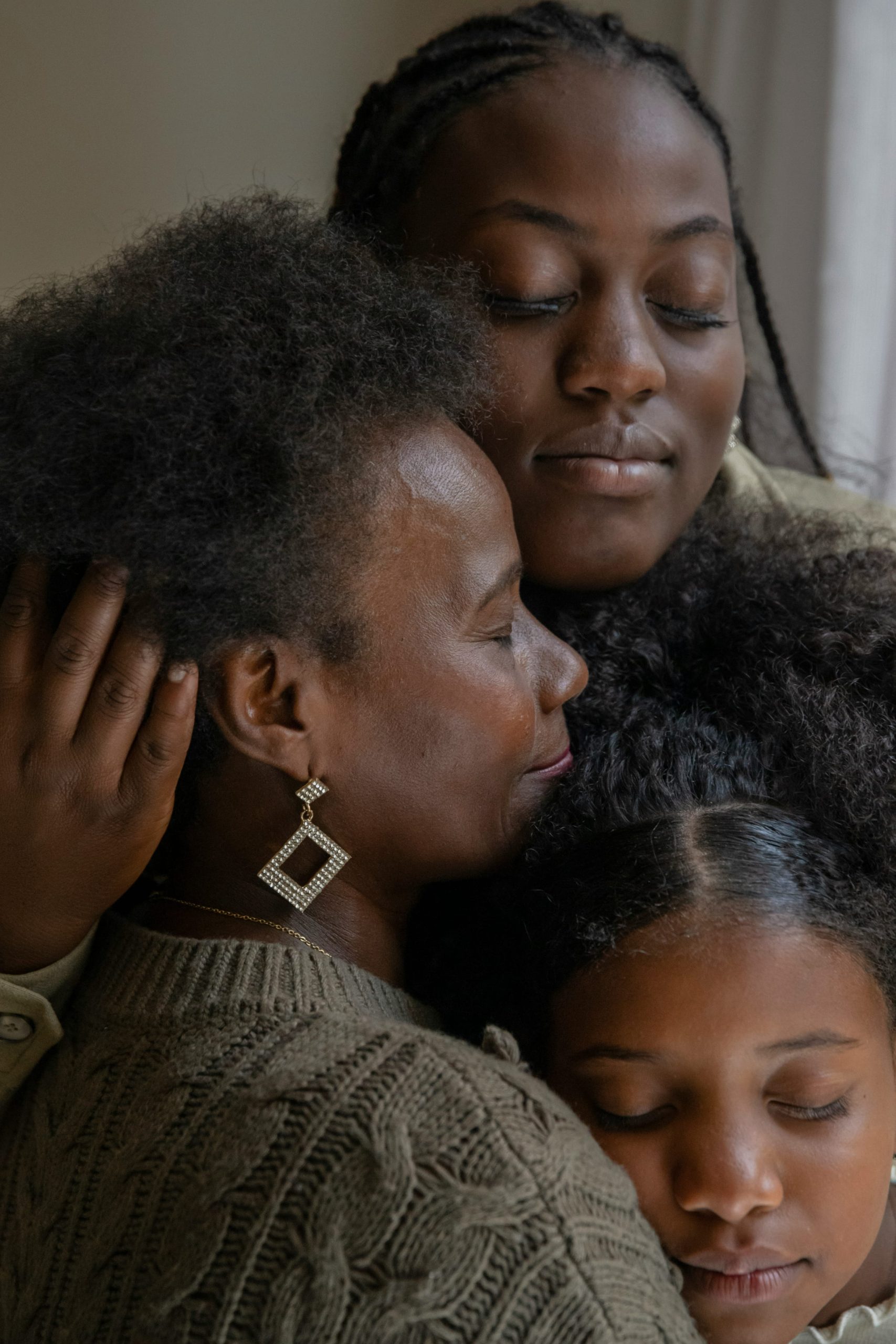
Steady support is not about grand gestures or perfect advice. It is about making care easier to receive.
That often means:
- checking in without expecting a reply
- offering one clear kind of help
- remembering ordinary days, not only milestones
- following through after you say you care
If support feels easier to give when it is built into the year, The Timely Presence offers ongoing support for grieving loved ones.
Helpful support usually feels calm, clear, and easy to receive.
How to Help Without Making Them Lead the Conversation
Specific Offers
“Let me know if you need anything” sounds kind, but it puts the grieving person in charge of deciding what they need, how to ask, and whether they feel okay asking.
Specific offers are easier to receive.
Try:
- “I can bring dinner on Tuesday or Thursday.”
- “I’m free to walk the dog this weekend.”
- “I can drop groceries off tomorrow.”
- “Would coffee and quiet company feel helpful this week?”
Low-Pressure Language
A message works best when it does not require a performance.
Helpful examples:
- “Thinking of you. No need to reply.”
- “I’m here with you, even if you do not feel like talking.”
- “Just wanted you to know I remembered today.”
- “You do not need to answer. I just care.”
Showing Up on Milestone Days
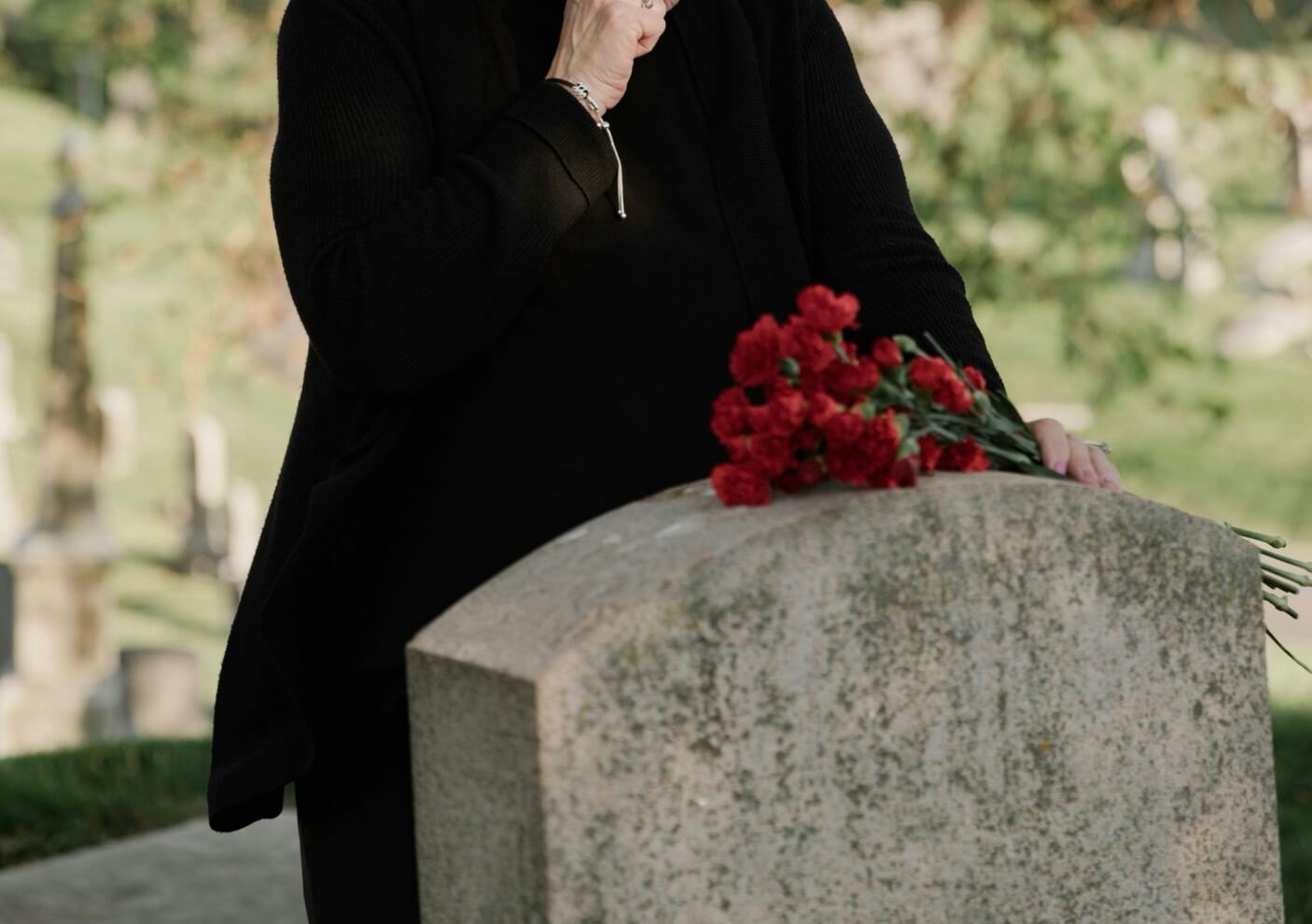
Birthdays, anniversaries, holidays, and other “firsts” can hit hard. These are the days many grieving people brace for quietly.
Remembering them matters.
For more on milestone support, see Grief Milestones in the First Year: Preparing for Birthdays, Holidays, and Anniversaries. For more timing and script guidance, visit How to Support Someone Grieving After the Funeral: What to Say and What to Do Over Time.
What to Avoid If You Want Your Support to Feel Helpful
Good intentions can still miss the mark. The most common issue is language that minimizes grief or quietly puts pressure on the grieving person to manage your support.
Try to avoid:
- “At least they lived a long life.”
- “They’re in a better place.”
- “Let me know if you need anything.”
- “Everything happens for a reason.”
- “You should get out more.”
It also helps to avoid trying to fix feelings, rush perspective, or turn the conversation into advice.
For a fuller guide to supportive language, see What to Say to Someone Who Is Grieving: Phrases That Help and Phrases to Avoid.
A Simple Check-In Rhythm You Can Actually Keep
Consistency beats intensity.
You do not need a perfect plan. You need a pattern you can realistically follow.
A simple rhythm might look like:
- one check-in this week
- another in two weeks
- one reminder set for the next milestone date
- one message on an ordinary day later in the month
That kind of cadence helps support feel steady rather than accidental.
If you want a deeper look at what support can sound like after the first few weeks, When the Funeral Is Over: How to Keep Showing Up for Someone Grieving offers practical next steps.
Friendship after loss is often less about intensity and more about staying.
Closing: Support Should Feel Steady, Not Performative
Being there again and again matters more than getting every word right. Real comfort often comes through actions, rhythm, and the quiet reminder that someone is not alone.
That is what steady friendship sounds like after loss.
FAQ
What is the best thing to say to a grieving friend?
Simple and sincere is best. “I’m so sorry,” “I’m thinking of you,” or “I’m here” usually helps more than trying to explain the loss or make them feel better.
How can I help without being intrusive?
Use low-pressure language and specific offers. A short message or one clear act of help usually feels more supportive than repeated emotional questions or broad promises.
Why do grieving friends often seem to get less support after the first few weeks?
Because people return to routine, assume the hardest part is over, or feel unsure how to keep showing up. That is exactly why steady follow-through matters so much.
What kind of support usually helps most over time?
Consistent check-ins, practical offers, remembered milestone dates, and language that validates grief without trying to fix it tend to be the most helpful over time.
References
- PLOS One. Characteristics of bereaved people who seek support. https://journals.plos.org/plosone/article?id=10.1371/journal.pone.0121101
- StatPearls. Grief support following in-hospital deaths. https://www.ncbi.nlm.nih.gov/sites/books/n/statpearls/article-22432/
- National Center for Biotechnology Information. Cultural aspects of death and dying. https://www.ncbi.nlm.nih.gov/books/NBK591827/