Cart
March 15, 2026
Anniversary Grief: Why It Feels So Sharp and What Helps
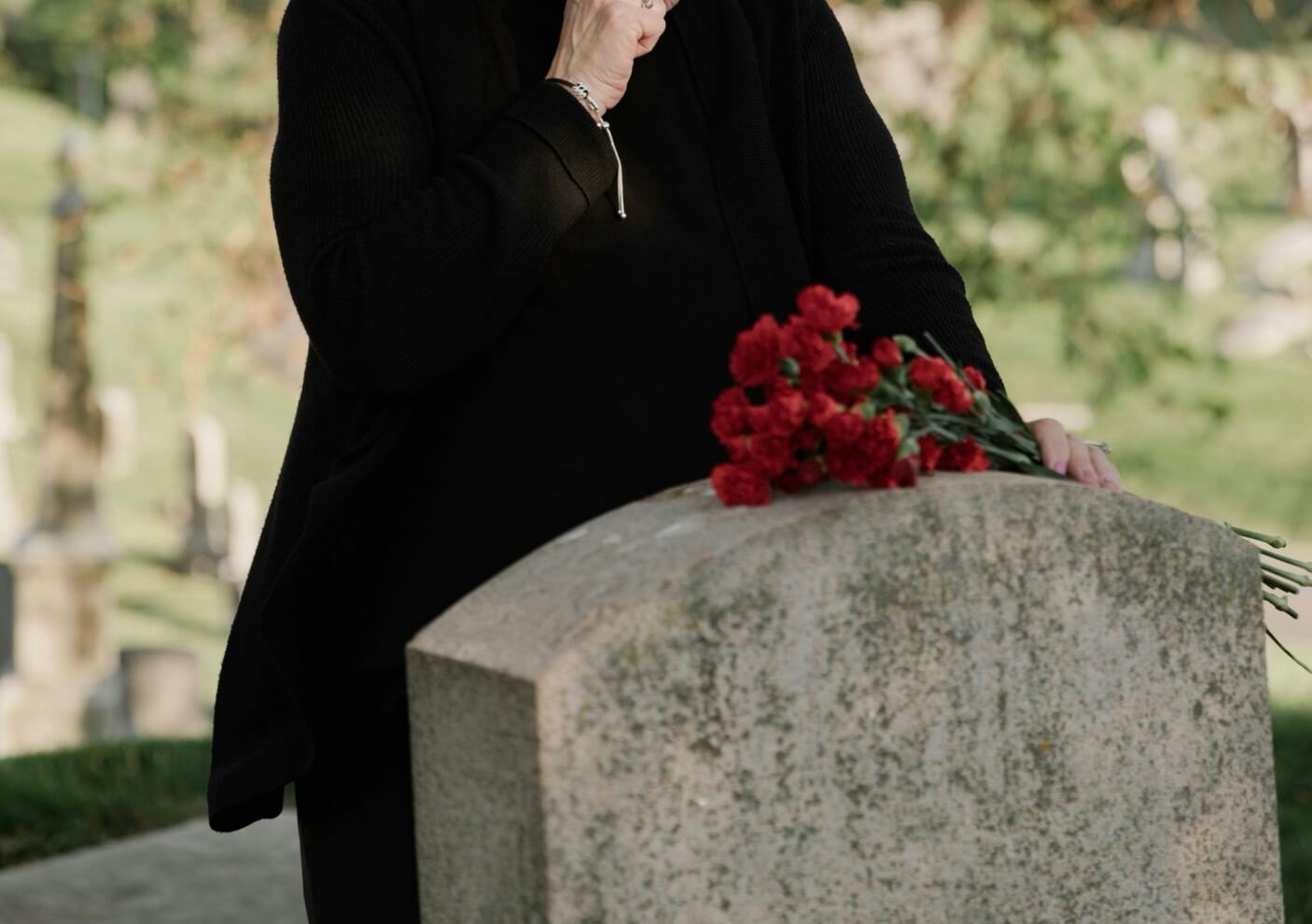
Anniversary grief can feel startlingly sharp. A date gets closer, and suddenly the body seems to know before the mind catches up. Sleep shifts. Irritability rises. Sadness feels closer to the surface. Even years after a loss, an anniversary can bring back a strong wave of emotion.
Anniversary reactions are common after painful events. When the date is connected to someone you love, that reaction can feel especially personal and intense.
Anniversary grief is not a sign that healing failed. It is a sign that memory still carries love.
If an important date is coming up, or you want to support someone else through one, there are gentle ways to prepare without turning the day into something rigid or performative.
Quick Guide for Anniversary Week
- Notice the date ahead of time instead of waiting for it to ambush you.
- Decide whether you want quiet, company, ritual, or a mix.
- Keep the day lighter if you can.
- Let one trusted person know the date is coming.
- Remember that the day after can feel heavy too.
Why Anniversary Grief Can Feel So Intense
Anniversary grief, sometimes called an anniversary reaction, often brings a strong surge of feeling even when someone has been functioning well. That does not mean they are “back at the beginning.” It means the date still carries meaning.
The National Center for PTSD explains that anniversary reactions can happen because of the way difficult experiences are stored in memory. A date becomes linked to the loss, so when that date returns, memory and emotion often rise with it.
That is why someone may feel relatively steady one week and unexpectedly emotional the next.
The Different Kinds of Anniversaries People Carry
It is not only the date of death that can reopen grief.
Many people also carry:
- the loved one’s birthday
- a wedding anniversary
- the date of a diagnosis
- the last holiday spent together
- the date of a final conversation
- the first major family event without them
Any date that holds meaning can become a grief milestone.
If multiple dates feel heavy, it can help to focus on one or two at a time. You do not have to emotionally prepare for every hard date all at once.
If you want wider support options around these moments, our Grief Support Resources page can help you find a next step.
A Gentle Plan for the Week of the Anniversary
A flexible plan can lower anxiety without making grief feel scheduled. The point is not control. The point is care.
Before the Day
A few simple preparations can help:
- clear one unnecessary obligation from your schedule
- decide whether you want company, quiet, or something in between
- let one trusted person know the date is coming
- choose one comfort, like a meal, walk, ritual, or music
The Day Itself
There is no right way to spend an anniversary. Some people want ritual. Others want distraction. Some want both.
You might:
- light a candle
- go somewhere meaningful
- listen to music connected to the person
- look through photos
- write a note
- keep the day private and low-demand
The Day After
The day after can feel surprisingly hard. Emotional energy drops, and the stress of anticipating the date may still be in your system.
Try to keep the next day gentler if possible. Rest, lower expectations, or plan one small support action.
For more on how grief milestones affect the first year, see Grief Milestones in the First Year: Preparing for Birthdays, Holidays, and Anniversaries.
Support matters before the day, on the day, and after the day.
How to Support Someone Else Without Taking Over
If you are supporting someone through an anniversary, the most helpful approach is permission-based care. You are not trying to manage the day for them. You are letting them know they do not have to carry it alone.
Helpful ways to show up:
- “I know this date is coming up. Would quiet support or company feel better?”
- “I’m thinking of you as the day gets closer.”
- “Would it help if I brought dinner or checked in tomorrow?”
- “No need to reply. I just wanted you to know I remembered.”
For more language ideas, see What to Say to Someone Who Is Grieving: Phrases That Help and Phrases to Avoid.
What Helps When You Feel Numb, Angry, or Overwhelmed
Anniversary grief does not always look like tears. It may look like irritability, numbness, exhaustion, brain fog, or the urge to cancel everything.
If that happens, it can help to:
- shorten the day’s to-do list
- ask one trusted person for practical help
- choose one grounding action instead of several
- lower expectations
- remind yourself that fluctuating emotions are normal
If support feels easier to receive when it is built into the year, you can also explore When the Funeral Is Over: How to Keep Showing Up for Someone Grieving for ideas on what steady care can look like.
Grief can feel sharp and still be normal. Intense does not mean wrong.
Closing: Remembrance Over Time, Not Pressure to Be “Okay”
Anniversaries do not mean you are failing to heal. They are reminders that love still has shape, memory, and rhythm.
When an important date is coming up, write it down and choose one supportive action. That is enough.
FAQ
Why does grief feel stronger right before an anniversary?
The days leading up to an anniversary can trigger anticipation, memory, and body stress before the date even arrives. Many people feel the build-up as much as the day itself.
Is it normal to still struggle with anniversaries years later?
Yes. Anniversary grief can remain emotionally charged long after the first year. That does not mean something is wrong. It means the date still holds meaning.
What is one helpful thing I can do for myself on an anniversary?
Choose one gentle action ahead of time. That might be rest, asking one person to check in, lighting a candle, or clearing space in your day so you do not feel overbooked.
How can I support someone else on an anniversary without making it worse?
Acknowledge the date, keep the message simple, and give them control. Quiet support, offered without pressure, is often the most helpful.
References
- National Center for PTSD. Anniversary reactions. https://ptsd.va.gov/ptsd/understand/what/anniversary_reactions.asp