



The first year of grief is often marked by a series of emotional milestones—birthdays, holidays, and anniversaries—that can feel overwhelming for those mourning a loss. These dates, once sources of joy or routine, can now trigger waves of sadness, nostalgia, or even unexpected tension. For many, it is the anticipation and arrival of these “firsts” without a loved one that makes the initial twelve months so uniquely challenging.
Understanding why these grief milestones carry such weight can help both grievers and their supporters find gentle, meaningful ways to honor the journey.
Why the First Year of Grief Can Feel Like a Series of Milestones
The months following a loss are filled with “firsts”—the first birthday, first holiday, and first anniversary—all without the presence of someone deeply missed. Each of these days can bring up powerful emotions, often more intensely than expected.
As Dr. Christina Hibbert, a clinical psychologist specializing in grief, explains, "I once heard someone say that the anniversary of a loved one’s death is really 'just another day.' I’ve wanted it to be just another day for four October 17ths now… But somehow it’s always taken me by surprise—with a building irritability and tension in my mind and muscles that starts weeks before… and peaks in a deep outpouring of emotion… on the day of the 17th" (drchristinahibbert.com).
Milestone days have a way of surfacing emotions that may have felt settled.
This unpredictability is why presence and support throughout the year—such as milestone-based support over a year with thoughtful, timed gifts—can be so valuable. By recognizing that each milestone is significant, supporters can help make sure that care continues well beyond the initial weeks of loss.
Research also shows about 25% of bereaved individuals experience anxiety disorders within the first year.
The Milestone Map: Common Dates That Can Reopen Grief
Grief rarely follows a predictable timeline. Instead, certain dates—like the anniversary of a death, the departed’s birthday, a wedding anniversary, or major holidays—can unexpectedly bring grief to the forefront. The first time these dates come around after a loss, they often feel especially raw.
For example, as Dr. Hibbert recounts, even years later, anniversaries can bring a surge of emotions.
Statistically, about 10–15% of bereaved adults develop prolonged grief disorder, meaning these milestone triggers can have lasting effects (pubmed.ncbi.nlm.nih.gov).
Beyond the obvious dates, even seemingly ordinary days—like the first spring without a partner, or the first family gathering—can stir memories and emotions.
In some cultures, such as in Vietnam, families mark the death anniversary with a special meal and remembrance ritual.
Recognizing these patterns helps both grievers and their loved ones anticipate emotional waves and plan gentle support, whether that’s preparing for “Memorial Day” or simply acknowledging an ordinary day that feels different.
What to Say Around Milestone Days
It’s natural to worry about “saying the right thing” to someone who is grieving, especially on significant dates. Many supporters hesitate, fearing that their words will fall short.
Yet, as grief experts stress, presence matters far more than perfection. Dr. Christina Hibbert encourages, "It’s ok, and even helpful, to reach out and ask for support, especially from those who’ve been in your shoes and 'get it'" (goodreads.com).
A simple, heartfelt message—using the loved one’s name, sharing a memory, or just acknowledging the day—can mean more than waiting for perfect words.
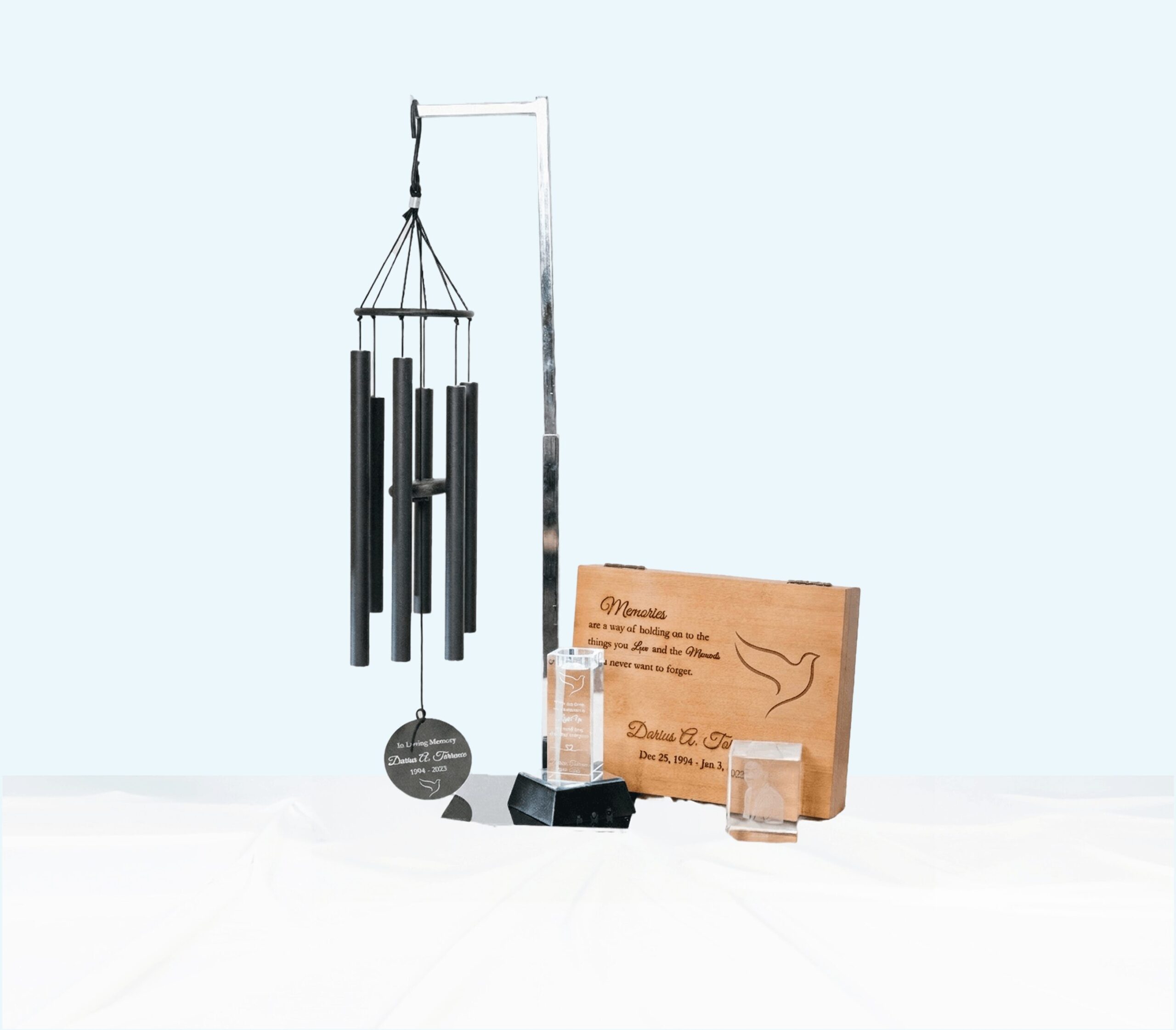
Sending a personalized card or a note with a keepsake—such as those found in The Memory Box’s timed gifts—can provide tangible comfort. The most important thing is to show up, even if it’s just with a short message or a thoughtful reminder that the griever is not alone.
Digital memorials and support groups also offer new ways to show you care.
What to Do on a Milestone Day (Support Options)
Support can take many forms, depending on what feels right for the person grieving. Some may appreciate company—a shared meal, a quiet walk, or a memory ritual like lighting a candle or visiting a favorite place. Others might benefit from practical help with logistics or childcare to ease the day’s emotional load.
For example, Dr. Hibbert shares how her family honored her sister’s memory: "A tribute from here to heaven at sunset—each of us taking a moment to ponder our message to Shannon before the balloons carried them away" (drchristinahibbert.com).
Offering a couple of options ("Would you like to get together, or would you prefer time alone?") is often best, along with the freedom to say no.
Meaningful tributes like planting a tree or establishing a scholarship are increasingly chosen.
For more ideas on how friends and family can help, see the post Grief Shared: How Family and Friends Help Us Heal.
When the Griever Wants Quiet: How to Respect Boundaries
Not everyone wants company or conversation on milestone days—and that’s okay. Dr. Camille Wortman, a leading grief researcher, notes that individuals grieve differently and that respecting each person’s unique process is crucial. Some may find comfort in solitude or reflection, preferring not to talk or participate in rituals.
For some, boundaries are especially crucial if their loss is not widely acknowledged by society.
Respecting boundaries is a powerful form of support.
A simple “thinking of you” note, with no expectation for a reply, can reassure the griever that they are remembered and cared for, regardless of how they choose to spend the day.
How to Plan Ahead Without Making Grief Feel Scheduled
Gentle planning can help lessen the anxiety that builds around milestone days, but it should never feel like an obligation. Dr. Hibbert advises, "Give yourself time and space to figure out what this life transition or loss means to you" (drchristinahibbert.com).
Setting calendar reminders, pre-writing a note, or planning a low-pressure supportive gesture can reduce stress while honoring the griever’s needs.
Workplaces that offer flexible bereavement leave and recognize milestone days help ease this process.
If plans change or emotions shift, that’s perfectly normal. As Dr. Hibbert reminds us, "FEEL what you feel… I realized the best thing I could do was FEEL—Freely Experience Emotion with Love."
Planning is about preparing to care, not about scripting the day.
For further insight on finding hope through grief, explore Hope in Grief: How to Find Light After Loss.
A Simple Milestone Support Checklist
Supporting someone through the grief milestones of the first year is about consistency and presence, not grand gestures. Here’s a quick checklist for planning gentle support:
- Identify key dates: Note birthdays, anniversaries, holidays, and other significant days.
- Reach out: Send a message, card, or small gift acknowledging the day.
- Offer specific help: Suggest practical support or companionship, but always allow space for a “no.”
- Follow up: Check in after the day has passed.
- Respect boundaries: Honor whatever feels right for the griever.
Consider using a personal or digital calendar to keep track of important dates.
Small, steady acts of support matter most for those navigating bereavement milestones.